5 Tested Tips for An Awesome Wilderness Backpacking Adventure
*This post was updated April, 2023
1. Find the Right Destination. So you want to go on a backpacking trip, yet not sure where to go? Just remember that you often don’t have to venture far from home to find solitude in the backcountry, and heading off for the weekend is great for beginners. One place to start your trip planning is your local outdoor store, often filled with knowledgeable employees who spend much of their free time out exploring. Plus it’s a great resource for maps, trail guides and books for the general area you are interested in. Check online, where you can usually find hiking resources by geographic locations.
Around the Mid-Atlantic area, Hiking Upward is one such free resource, with information and hiker reviews about trails throughout the region, as far south as North Carolina. Always be sure to check in advance for any required permits, such as the one my husband had to get over 6 months in advance when they wanted to camp last year in certain areas in the Enchantments. And don’t forget about State parks, which are often not far from home.

Besides the basic gear like a tent, sleeping bag, backpack, footwear and food, some critical items include a map and compass, effective water treatment or water filtration system, a first aid kit including personal medication, headlamp with spare batteries, lighter, sun protection, hat, and basic tools, Some people choose to use hiking poles for extra stability, speed and taking the weight off your knees going downhill. For families with kids, small, travel sized games or a deck of cards, along with an e-reader can save you from a bad weather day meltdown.
Consider organizing your gear with lightweight pouches. For small kids, start out with a small backpack filled with lighter items. Regarding food, backpackers can find lots of choices of dehydrated meals on the market for an easy breakfast and dinner option. And according to my husband,
a long handled spoon makes it easy to get every last bit of food out of the dehydrated meal pouch. Just don’t forget to include a small, lightweight titanium pot for boiling water for those meals in a pouch along with an ultralight backpacking stove like the MSR Pocket Rocket 2. For more outdoor meal planning ideas and other camping resources, follow the familyTravelsUSA Camping, Hiking & Biking Adventures Pinterest board.
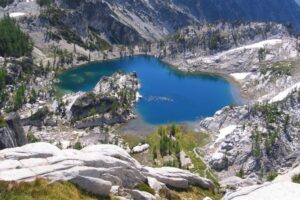
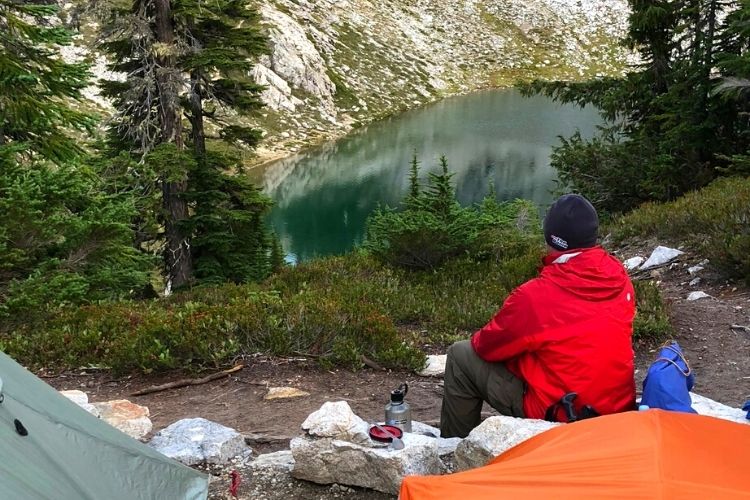
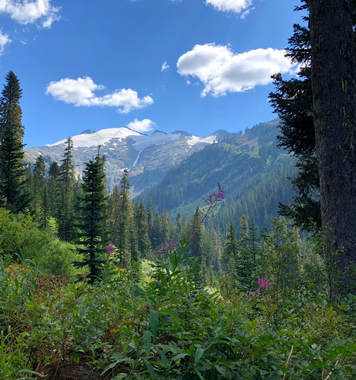
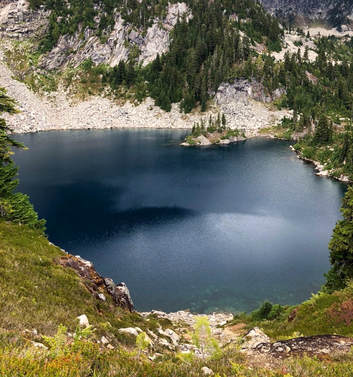
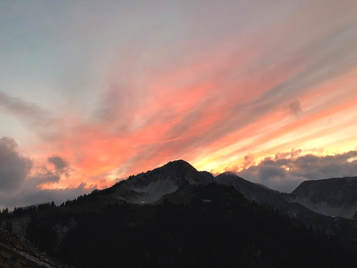
5. Expect the Unexpected. Anyone who heads off into the wilderness will often tell you to be prepared for the unexpected. On the positive side, this can include a gorgeous sunset after a heavy rain, the sudden glimpse of a wild animal across a valley, or cresting a trail and coming upon a crystal blue alpine lake. On the other side of the coin, bad weather, medical issues, and unexpected up-close animal encounters are just a few of the things where preparation can make a difference in the outcome.When my husband and two friends were on the last day of their 5 day adventure in North Cascades National Park, he began experiencing stomach pains worse than he had ever felt in his life. With 8 miles to go to the trailhead, he and his buddies had to make some important decisions; push through or send a hiker ahead for help? The agonizing pain came and went, and with the help of rest and over the counter pain medicine, he was able to push through and thankfully they encountered a wilderness ranger who escorted them the last 4 miles back to the parking lot. The end result was a visit to the local emergency room with a kidney stone diagnosis. Lessons learned: have an emergency exit strategy that may include your group splitting up, be sure to keep age-appropriate over-the-counter pain relief medicine in your first aid kit, keep calm and assess the situation and options, carry a cellphone to be used in emergencies (along with an extra power source, although more often than not there is no cell service), and always hike with a buddy or two.
Pin for Later